Simple Safety Rules Every Solo Traveler Should Follow
Solo travel can build confidence, independence, and practical problem-solving skills. It also removes the immediate support that comes from traveling with a trusted companion. When something goes wrong, the solo traveler must recognize the problem, choose a response, and find help.
Good safety rules should be easy to remember under pressure. Complicated plans often fail when a traveler is tired, lost, or distracted. A few consistent habits can reduce risk without making the trip feel controlled by fear.
Share Your Basic Plans
Give a trusted person your accommodation details, transportation schedule, and general route before departure.
Update them when you change cities, take an overnight journey, or alter the trip significantly.
Agree on regular check-ins. A short message confirming that you reached the hotel may be enough.
Do not rely on social media posts as your only form of communication. Public updates may reveal your location to people who do not need that information.
Share emergency contacts and copies of important booking details with someone who can assist from home.
Protect Your Documents
Keep your passport, identification, cards, and cash secure. Do not carry every important item in one wallet or bag.
Store backup money separately from your daily spending funds. This provides another option if your main wallet is lost or stolen.
Create protected digital copies of your passport, visa, insurance information, and important reservations.
Carry a paper copy of essential details in case your phone stops working.
Do not hand your passport to an unofficial guide, driver, rental provider, or stranger. When accommodation or authorities require identification, understand why it is needed and how it will be handled.
A sensible travel emergency budget should include replacement transportation, temporary accommodation, medical costs, and access to backup funds.
Keep Your Phone Working
Charge your phone before leaving accommodation and carry a power bank during long travel days.
Download offline maps, transportation information, translation tools, booking confirmations, and emergency contacts.
Do not depend entirely on mobile data. Service may disappear in tunnels, remote areas, crowded events, or unfamiliar networks.
Protect the phone with a passcode and enable location or remote-lock features where available.
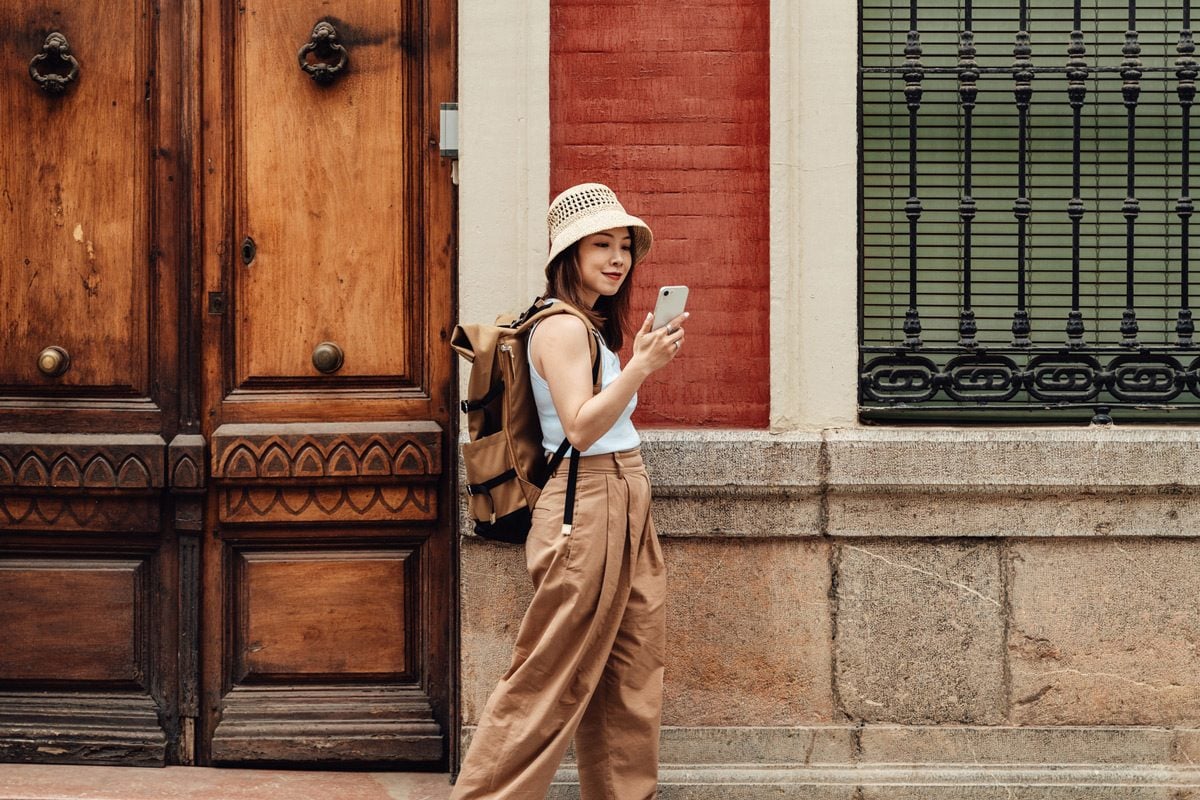
Avoid walking while staring continuously at the screen. Stop in a safe public place when you need to study directions.
Keep a written address for your accommodation. A driver or local resident may be able to help even when your battery is empty.
Choose Safe Arrival Times
Arrive during daylight when possible. It is easier to understand the area, locate transportation, and identify problems.
A cheap ticket arriving after midnight may create extra taxi costs or leave you waiting in an unfamiliar terminal.
When late arrival cannot be avoided, arrange transportation in advance. Use official airport counters, verified ride services, hotel transfers, or clearly marked public transportation.
Confirm the destination before entering a vehicle. Check the license plate and driver details when using an app-based service.
Avoid accepting unsolicited rides from people approaching you inside or outside a terminal.
Watch Your Food and Drinks
Keep drinks in sight and do not accept open beverages from strangers.
Know your alcohol limits. Reduced awareness makes it harder to judge transportation, protect belongings, or respond to unwanted attention.
Eat regularly and drink enough water. Hunger, dehydration, and exhaustion can affect decision-making.
Choose busy food stalls or restaurants with good hygiene practices. Be careful with food that has been sitting uncovered or unrefrigerated.
Carry basic snacks during long transfers so you are not forced to make rushed decisions in isolated locations.
Trust Your Instincts
Leave situations that feel wrong, even when you cannot explain the reason clearly.
You do not owe politeness to someone who pressures you, follows you, blocks your movement, or demands personal information.
Move toward a hotel lobby, staffed shop, restaurant, transport office, police location, or busy public area.
Do not allow embarrassment to keep you in danger. Asking for help early is better than waiting for a situation to become serious.
Use a firm voice when necessary. Short phrases such as “No,” “Stop,” or “I need help” are easier to use under pressure than long explanations.
Limit the Information You Share
Do not tell strangers your room number, full itinerary, financial details, or exact travel schedule.
Avoid announcing that nobody knows where you are. Say that you are meeting friends or checking in with family when you prefer not to reveal that you are alone.
Post photographs after leaving a location rather than sharing your exact position publicly in real time.
Remove personal information from visible luggage tags. Use a phone number or protected contact method rather than displaying a full home address.
Be cautious when new acquaintances ask repeated questions about money, accommodation, or transportation.
Use Reliable Services
Book accommodation with clear contact information, recent reviews, and secure entry procedures.
Use official transportation, licensed guides, and established tour operators where possible.
Read cancellation, payment, and support terms before providing card information.
Avoid sending money through unusual payment methods to strangers claiming to represent hotels, landlords, or tour companies.
Dependable travel service guidance can help travelers compare support, communication, and booking conditions instead of choosing only by price.
Keep Control of Transportation
Know how you will return before going out at night or visiting a distant area.
Keep enough money or card access for an independent ride back to accommodation.
Do not depend entirely on a new acquaintance for transportation. Maintain a backup option.
Follow the vehicle’s route using a map when practical. If something feels wrong, ask to stop in a busy public area.
When renting a vehicle, inspect it, photograph existing damage, understand local traffic laws, and keep valuables out of sight.
Never drive while tired, distracted, or affected by alcohol.
Secure Your Accommodation
Check the door and window locks after entering the room. Report anything that does not work.
Do not open the door automatically when someone knocks. Confirm the visitor through the peephole, reception, or phone.
Avoid saying your room number loudly in public areas. Keep key cards and room keys out of sight.
Use lockers in shared accommodation and bring an appropriate lock when needed.
Know where emergency exits are located. Count doors between your room and the nearest exit if that helps you remember the route.
Do not leave valuables visible when staff, maintenance workers, or other guests may enter.
Separate Your Money
Carry a daily spending amount and keep backup funds elsewhere.
Use more than one payment method when possible. A lost card should not remove access to every financial resource.
Avoid withdrawing large amounts of cash in exposed locations. Indoor cash machines at banks or monitored buildings may provide a more controlled environment.
Cover the keypad when entering a code and inspect the machine for unusual attachments.
Review account activity during the trip and freeze cards quickly when something looks wrong.
Helpful travel finance planning can also prepare travelers for exchange fees, banking limits, deposit requirements, and unexpected charges.
Learn Local Emergency Information
Save the destination’s emergency number before arrival. Do not assume it is the same as the number used at home.
Record the address and phone number of your accommodation.
Know how to reach a nearby hospital, clinic, pharmacy, police station, or embassy when relevant.
Learn basic phrases for asking for help. Translation tools are useful, but a few spoken words may be faster during an urgent situation.
Check local weather alerts, transportation disruptions, and public safety notices.
Reviewing local travel and community updates can help visitors understand conditions that may not appear in general travel guides.
Avoid Unnecessary Risk
Do not enter restricted areas, abandoned buildings, isolated trails, or dangerous water because a photograph looks impressive.
Follow warning signs and local instructions. Conditions may be more dangerous than they appear.
Tell someone before hiking, swimming, driving remotely, or taking an unfamiliar route.
Carry suitable clothing, water, navigation, and basic supplies for the environment.
Turn around when weather, visibility, health, or transportation conditions worsen. Completing an activity is never more important than returning safely.
Simple safety rules work because they become habits. Share your plans, protect documents, keep your phone charged, use reliable transport, limit personal information, and leave uncomfortable situations early. Solo travel remains adventurous, but preparation ensures that independence does not become unnecessary exposure to risk.