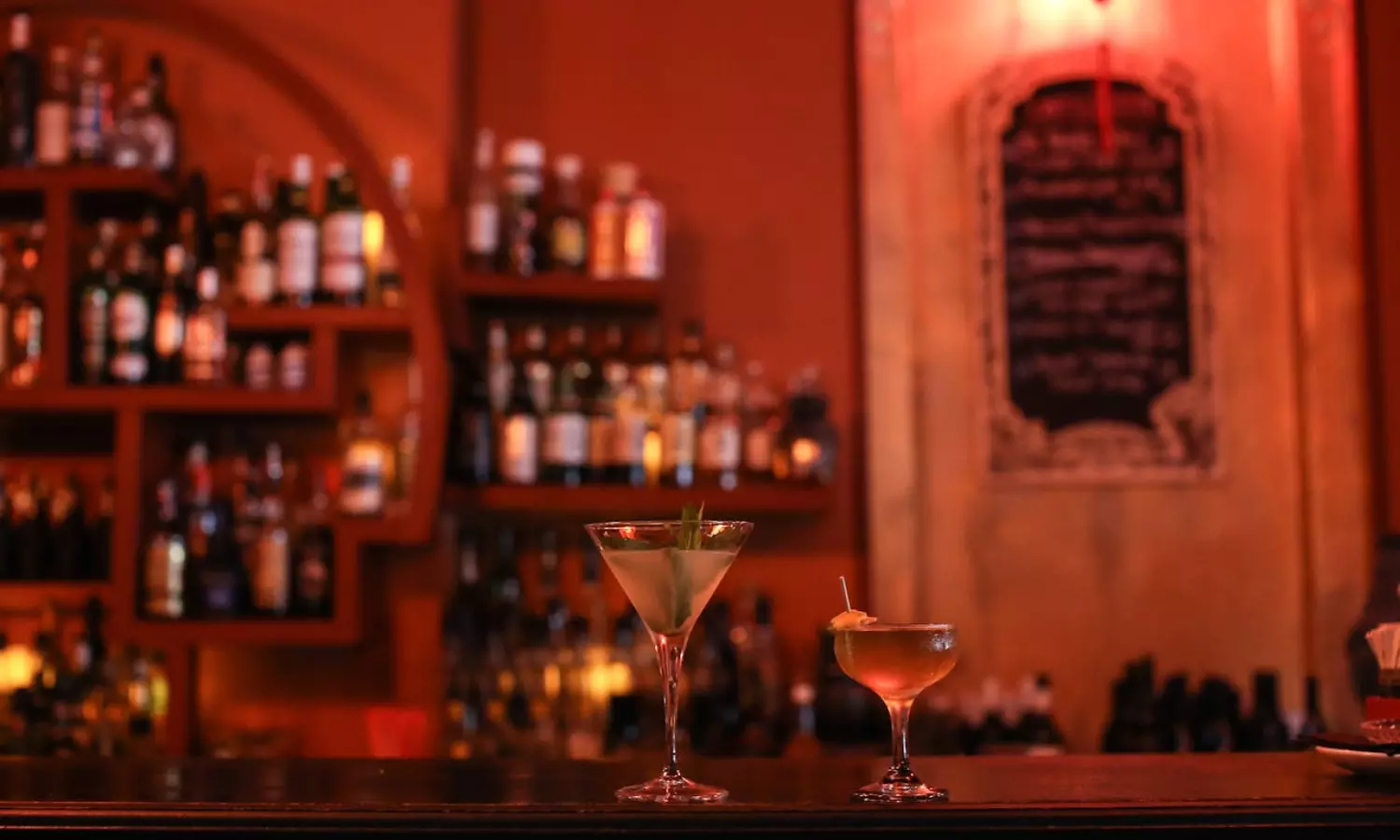
Local Bars as Unexpected Windows Into a Destination’s Social Culture
Travel is often associated with famous landmarks, museums, scenic viewpoints, and carefully planned attractions. Yet some of the most revealing experiences happen in ordinary places where local people spend their free time. A neighborhood bar can offer an unexpectedly detailed picture of a destination’s personality. The conversations, music, customs, food, and relationships inside these spaces can reveal aspects of local life that conventional tourist attractions rarely capture.
For travelers interested in understanding a place beyond its postcard image, visiting a local bar can become an informal form of cultural observation.
Everyday Conversation Reveals Local Priorities
One of the most interesting aspects of a neighborhood bar is the conversation happening around the room. People may discuss work, sports, family events, transportation, rising costs, entertainment, or developments affecting their communities. These conversations provide clues about what matters in everyday local life.
The subjects may be completely different from information travelers researched before arriving. Online searches can take people through unrelated topics ranging from pm kisan tractor yojana 2025 to accommodation recommendations and transportation schedules. Being physically present in a social setting, however, introduces travelers to concerns and interests that cannot always be predicted through research.
Even without participating directly, listening respectfully to the rhythm of conversation can reveal something about the community.
Social Etiquette Becomes Visible
Every destination has unwritten social rules. People may greet strangers enthusiastically in one place while maintaining greater personal distance somewhere else. Some cultures encourage lengthy conversations at the bar, while others treat the venue primarily as a meeting place for established groups.
Travelers can notice these differences simply by observing interactions. Who starts conversations? Do customers know the staff personally? Are tables shared? Do people remain seated for hours or visit briefly before moving elsewhere?
Understanding such details is different from looking for practical online information such as pmmvy 2.0 लॉगिन download. Digital resources are designed to provide specific information, whereas a local social venue provides something less structured: an opportunity to observe behavior as it naturally happens.
Music Creates a Cultural Snapshot
Music is another powerful indicator of local identity. Neighborhood bars often play songs selected according to regional preferences rather than international tourist expectations. A traveler might hear local musicians, older songs associated with previous generations, contemporary regional hits, or genres connected with the destination’s history.
Live performances can make this connection even stronger. Small venues sometimes provide emerging musicians with their earliest audiences. Travelers who encounter these performances may discover a side of the destination that receives little attention in mainstream travel guides.
Someone researching a journey may encounter phrases such as read this article while moving between blogs and informational pages, but experiencing local music in person creates a different type of understanding. Sound, audience reactions, and atmosphere communicate cultural information without requiring formal explanation.
Food and Drinks Tell Their Own Stories
Bars are not only about beverages. Their menus can reveal local tastes, agricultural traditions, migration patterns, and changing consumer preferences. A small plate served alongside a drink might feature ingredients strongly associated with the surrounding region. Even familiar dishes can be prepared differently according to local customs.
Menus also demonstrate the interaction between tradition and modernization. A long established venue may serve recipes that have remained nearly unchanged for decades, while a newer bar might reinterpret those flavors for younger customers.
This contrast resembles the broader way people navigate information today. Someone might use the Hkrnl Official Website for a particular administrative purpose while relying on face to face interactions for knowledge about community life. Both experiences involve information, but they provide entirely different forms of insight.
Regular Customers Give a Place Its Character
Architecture and decoration contribute to atmosphere, but regular customers often determine a bar’s true personality. Some establishments become informal gathering places where generations of residents have celebrated birthdays, discussed neighborhood developments, watched sporting events, and maintained friendships.
A traveler entering such a space is temporarily stepping into an existing community rather than an environment designed specifically for visitors. This can make the experience feel more authentic, provided visitors remain respectful of the people who consider the venue part of their normal routine.
The distinction is similar to the difference between searching for something specific, such as www bhulekh uk gov in, and discovering information through everyday human interaction. One approach is purposeful and direct. The other allows unexpected details to emerge naturally.
Local Bars Can Reflect Neighborhood Change
Bars can also reveal how neighborhoods evolve. An older establishment surrounded by modern developments may represent continuity in a rapidly changing district. Elsewhere, newly opened venues may indicate demographic shifts, redevelopment, or changing lifestyles.
Menus, prices, interior design, music, and clientele can all offer subtle evidence of these transitions. Talking with staff or long time customers can add historical context that travelers might never encounter at major attractions.
This does not mean every bar should be treated as a cultural exhibit. These are functioning social spaces where people are relaxing, meeting friends, or finishing their day. Respecting personal boundaries is essential.
Seeing a Destination Beyond Its Attractions
Memorable travel does not always require searching for another landmark. Sometimes understanding a destination comes from noticing ordinary routines.
A local bar can provide a compact view of language, humor, music, food, social etiquette, and neighborhood relationships. Travelers who approach these spaces with curiosity and respect may leave with something more valuable than another photograph. They gain a clearer sense of how people actually interact when tourism is not the center of attention.
That perspective can transform a destination from a collection of attractions into a living community with its own habits, stories, and social character.