Across Rooftop Venues Urban Travel Gains A More Vibrant Social Identity
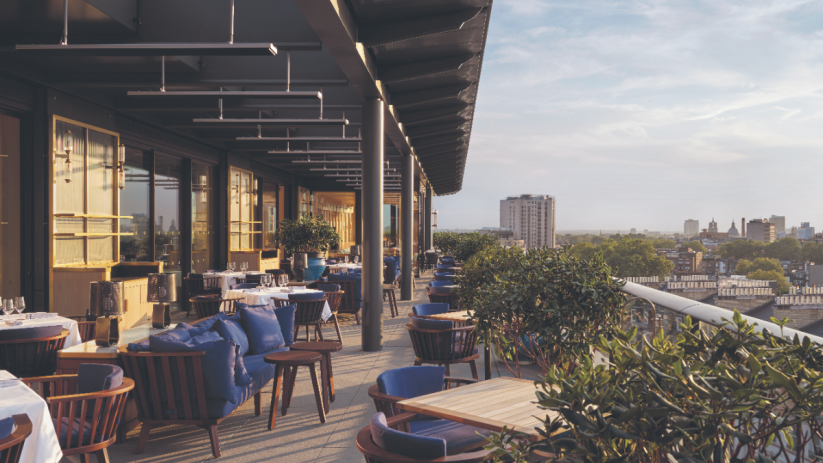
Modern travel is no longer limited to sightseeing, museums, or traditional tourist attractions. Travelers today are increasingly searching for experiences that combine atmosphere, culture, entertainment, and social connection in one setting. Across major cities worldwide, rooftop venues have emerged as powerful symbols of this transformation. These elevated spaces are changing how people experience urban destinations, offering breathtaking views, lively interactions, and unforgettable nightlife experiences that redefine modern tourism.
Rooftop venues are no longer exclusive to luxury travelers or elite social circles. They have become accessible gathering spaces where locals and tourists connect over music, food, city skylines, and cultural events. From stylish rooftop restaurants to open air cocktail lounges and entertainment hubs, these spaces are contributing to a more vibrant and socially engaging urban identity.
The Evolution Of Urban Travel Experiences
Travel trends have changed dramatically over the past decade. Visitors now value emotional experiences and memorable interactions more than traditional travel checklists. Urban travelers are drawn toward destinations that offer immersive social environments, and rooftop venues perfectly satisfy this demand.
Cities such as New York, Singapore, Dubai, Sydney, and Bangkok have embraced rooftop culture as part of their tourism appeal. Travelers increasingly plan evenings around these venues because they provide both entertainment and panoramic city experiences in one place. Rooftop spaces allow visitors to experience the energy of a city from an entirely different perspective.
The popularity of rooftop tourism has also been influenced by digital culture. Travelers frequently share skyline views, rooftop dining moments, and sunset experiences online, turning these locations into highly recognizable travel symbols.
Rooftop Culture And Entertainment Tourism
Entertainment now plays a major role in tourism development. Visitors often choose destinations based on nightlife, music scenes, and social activities rather than historical landmarks alone. Rooftop venues contribute significantly to this growing entertainment driven travel movement.
Many tourism platforms encourage creators and writers to discuss evolving nightlife experiences through opportunities connected to write for us entertainment communities. These discussions often highlight how rooftop venues blend architecture, culture, live performances, and culinary experiences into a single social destination.
Travelers are increasingly attracted to cities where rooftop culture represents freedom, creativity, and modern lifestyle trends. The atmosphere created by rooftop venues often becomes one of the most memorable parts of an entire trip.
Rooftop Spaces Encourage Social Connection
One of the strongest appeals of rooftop venues is their ability to bring people together naturally. Unlike traditional indoor environments, rooftop settings create a more open and relaxed atmosphere that encourages conversation and social interaction.
Travelers who visit cities alone frequently find rooftop lounges and rooftop cafes to be welcoming environments where meeting new people feels effortless. Music performances, themed nights, and shared seating concepts contribute to a stronger sense of community among guests.
This shift reflects a larger movement in urban tourism where emotional engagement matters just as much as physical exploration. Modern travelers increasingly value destinations that allow them to feel connected to local culture and social energy.
The Influence Of Media And Lifestyle Publications
Lifestyle media and tourism publications continue to shape public interest in rooftop experiences. Many travel magazines and digital tourism platforms regularly feature rooftop venues as essential parts of city exploration guides.
Writers who submit guest post magazine content often focus on how rooftop culture reflects the changing identity of urban entertainment. These articles commonly discuss design innovation, rooftop architecture, live music trends, and the growing importance of social environments in tourism.
As media attention grows, rooftop venues gain stronger influence over destination branding. Cities known for rooftop experiences often attract younger travelers, digital creators, and experience driven tourists seeking vibrant social atmospheres.
Rooftop Tourism And Local Economies
The rise of rooftop venues also contributes significantly to local economic growth. Restaurants, bars, event spaces, hotels, and tourism operators benefit from increased visitor activity generated by rooftop culture.
Hospitality industries continue adapting to changing consumer preferences by investing heavily in rooftop experiences. Hotels increasingly prioritize rooftop pools, rooftop dining, and entertainment terraces because these features enhance guest satisfaction and attract global visitors.
Coverage from business news australia has frequently explored how hospitality businesses are reshaping urban tourism through creative venue concepts and entertainment focused experiences. Rooftop spaces are becoming valuable economic assets for cities competing in global tourism markets.
These venues also support local musicians, chefs, event organizers, and creative professionals who contribute to vibrant urban nightlife ecosystems.
Digital Discovery And Travel Planning
Technology has transformed how travelers discover rooftop destinations. Social media, online travel reviews, and city guides allow tourists to explore rooftop venues before even arriving at a destination.
Platforms such as aussiesearch.com.au help users locate trending hospitality venues, rooftop bars, and urban entertainment spaces across various regions. Digital visibility has become extremely important for rooftop businesses because travelers increasingly rely on online recommendations when planning social activities during trips.
Photography and visual storytelling also play a major role in rooftop tourism marketing. Beautiful skyline views naturally attract online engagement, encouraging more travelers to visit featured locations.
Urban Identity And Community Development
Beyond tourism, rooftop venues contribute to broader urban identity and community development. Cities increasingly use rooftop spaces to promote creativity, sustainability, and cultural diversity.
Some rooftop venues host local art exhibitions, outdoor cinemas, wellness sessions, and community events that strengthen neighborhood engagement. Others focus on environmentally friendly architecture and green rooftop concepts that combine entertainment with sustainability.
Digital business platforms such as locly.com.au often highlight how local venues contribute to urban culture and strengthen city based social experiences. Rooftop spaces are becoming more than entertainment destinations because they also reflect how cities evolve socially and culturally.
The Future Of Rooftop Travel Experiences
As urban tourism continues evolving, rooftop venues are expected to become even more influential in shaping travel behavior. Travelers increasingly seek experiences that combine relaxation, entertainment, connection, and visual beauty in a single environment.
Future rooftop concepts may include immersive technology, sustainable design features, interactive performances, and hybrid social experiences that blend local culture with global entertainment trends. Cities that successfully develop vibrant rooftop cultures will likely continue attracting experience focused travelers from around the world.
Across modern skylines, rooftop venues symbolize a new era of travel where social interaction, creativity, and urban energy define the journey as much as the destination itself.