Archives May 2026

Across Rooftop Venues Urban Travel Gains A More Vibrant Social Identity
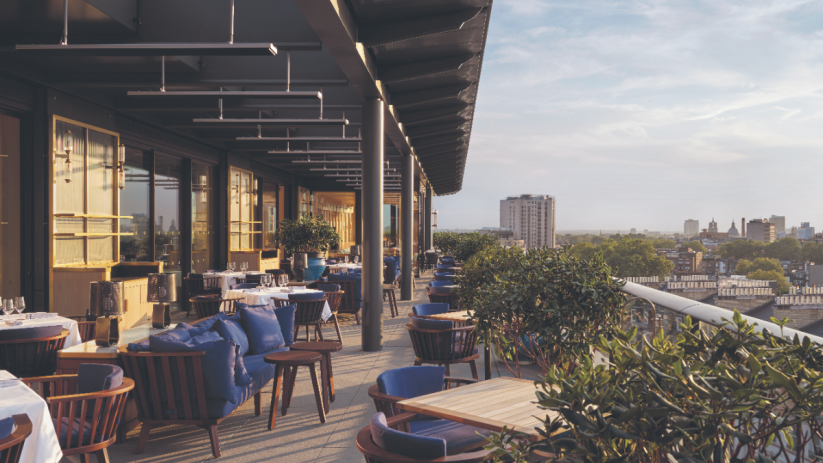
Modern travel is no longer limited to sightseeing, museums, or traditional tourist attractions. Travelers today are increasingly searching for experiences that combine atmosphere, culture, entertainment, and social connection in one setting. Across major cities worldwide, rooftop venues have emerged as powerful symbols of this transformation. These elevated spaces are changing how people experience urban destinations, offering breathtaking views, lively interactions, and unforgettable nightlife experiences that redefine modern tourism.

Rooftop venues are no longer exclusive to luxury travelers or elite social circles. They have become accessible gathering spaces where locals and tourists connect over music, food, city skylines, and cultural events. From stylish rooftop restaurants to open air cocktail lounges and entertainment hubs, these spaces are contributing to a more vibrant and socially engaging urban identity.

The Evolution Of Urban Travel Experiences

Travel trends have changed dramatically over the past decade. Visitors now value emotional experiences and memorable interactions more than traditional travel checklists. Urban travelers are drawn toward destinations that offer immersive social environments, and rooftop venues perfectly satisfy this demand.

Cities such as New York, Singapore, Dubai, Sydney, and Bangkok have embraced rooftop culture as part of their tourism appeal. Travelers increasingly plan evenings around these venues because they provide both entertainment and panoramic city experiences in one place. Rooftop spaces allow visitors to experience the energy of a city from an entirely different perspective.

The popularity of rooftop tourism has also been influenced by digital culture. Travelers frequently share skyline views, rooftop dining moments, and sunset experiences online, turning these locations into highly recognizable travel symbols.

Rooftop Culture And Entertainment Tourism

Entertainment now plays a major role in tourism development. Visitors often choose destinations based on nightlife, music scenes, and social activities rather than historical landmarks alone. Rooftop venues contribute significantly to this growing entertainment driven travel movement.

Many tourism platforms encourage creators and writers to discuss evolving nightlife experiences through opportunities connected to write for us entertainment communities. These discussions often highlight how rooftop venues blend architecture, culture, live performances, and culinary experiences into a single social destination.

Travelers are increasingly attracted to cities where rooftop culture represents freedom, creativity, and modern lifestyle trends. The atmosphere created by rooftop venues often becomes one of the most memorable parts of an entire trip.

Rooftop Spaces Encourage Social Connection

One of the strongest appeals of rooftop venues is their ability to bring people together naturally. Unlike traditional indoor environments, rooftop settings create a more open and relaxed atmosphere that encourages conversation and social interaction.

Travelers who visit cities alone frequently find rooftop lounges and rooftop cafes to be welcoming environments where meeting new people feels effortless. Music performances, themed nights, and shared seating concepts contribute to a stronger sense of community among guests.

This shift reflects a larger movement in urban tourism where emotional engagement matters just as much as physical exploration. Modern travelers increasingly value destinations that allow them to feel connected to local culture and social energy.

The Influence Of Media And Lifestyle Publications

Lifestyle media and tourism publications continue to shape public interest in rooftop experiences. Many travel magazines and digital tourism platforms regularly feature rooftop venues as essential parts of city exploration guides.

Writers who submit guest post magazine content often focus on how rooftop culture reflects the changing identity of urban entertainment. These articles commonly discuss design innovation, rooftop architecture, live music trends, and the growing importance of social environments in tourism.

As media attention grows, rooftop venues gain stronger influence over destination branding. Cities known for rooftop experiences often attract younger travelers, digital creators, and experience driven tourists seeking vibrant social atmospheres.

Rooftop Tourism And Local Economies

The rise of rooftop venues also contributes significantly to local economic growth. Restaurants, bars, event spaces, hotels, and tourism operators benefit from increased visitor activity generated by rooftop culture.

Hospitality industries continue adapting to changing consumer preferences by investing heavily in rooftop experiences. Hotels increasingly prioritize rooftop pools, rooftop dining, and entertainment terraces because these features enhance guest satisfaction and attract global visitors.

Coverage from business news australia has frequently explored how hospitality businesses are reshaping urban tourism through creative venue concepts and entertainment focused experiences. Rooftop spaces are becoming valuable economic assets for cities competing in global tourism markets.

These venues also support local musicians, chefs, event organizers, and creative professionals who contribute to vibrant urban nightlife ecosystems.

Digital Discovery And Travel Planning

Technology has transformed how travelers discover rooftop destinations. Social media, online travel reviews, and city guides allow tourists to explore rooftop venues before even arriving at a destination.

Platforms such as aussiesearch.com.au help users locate trending hospitality venues, rooftop bars, and urban entertainment spaces across various regions. Digital visibility has become extremely important for rooftop businesses because travelers increasingly rely on online recommendations when planning social activities during trips.

Photography and visual storytelling also play a major role in rooftop tourism marketing. Beautiful skyline views naturally attract online engagement, encouraging more travelers to visit featured locations.

Urban Identity And Community Development

Beyond tourism, rooftop venues contribute to broader urban identity and community development. Cities increasingly use rooftop spaces to promote creativity, sustainability, and cultural diversity.

Some rooftop venues host local art exhibitions, outdoor cinemas, wellness sessions, and community events that strengthen neighborhood engagement. Others focus on environmentally friendly architecture and green rooftop concepts that combine entertainment with sustainability.

Digital business platforms such as locly.com.au often highlight how local venues contribute to urban culture and strengthen city based social experiences. Rooftop spaces are becoming more than entertainment destinations because they also reflect how cities evolve socially and culturally.

The Future Of Rooftop Travel Experiences

As urban tourism continues evolving, rooftop venues are expected to become even more influential in shaping travel behavior. Travelers increasingly seek experiences that combine relaxation, entertainment, connection, and visual beauty in a single environment.

Future rooftop concepts may include immersive technology, sustainable design features, interactive performances, and hybrid social experiences that blend local culture with global entertainment trends. Cities that successfully develop vibrant rooftop cultures will likely continue attracting experience focused travelers from around the world.

Across modern skylines, rooftop venues symbolize a new era of travel where social interaction, creativity, and urban energy define the journey as much as the destination itself.

Hidden Rooftop Escapes Transforming The Modern Nightlife Experience

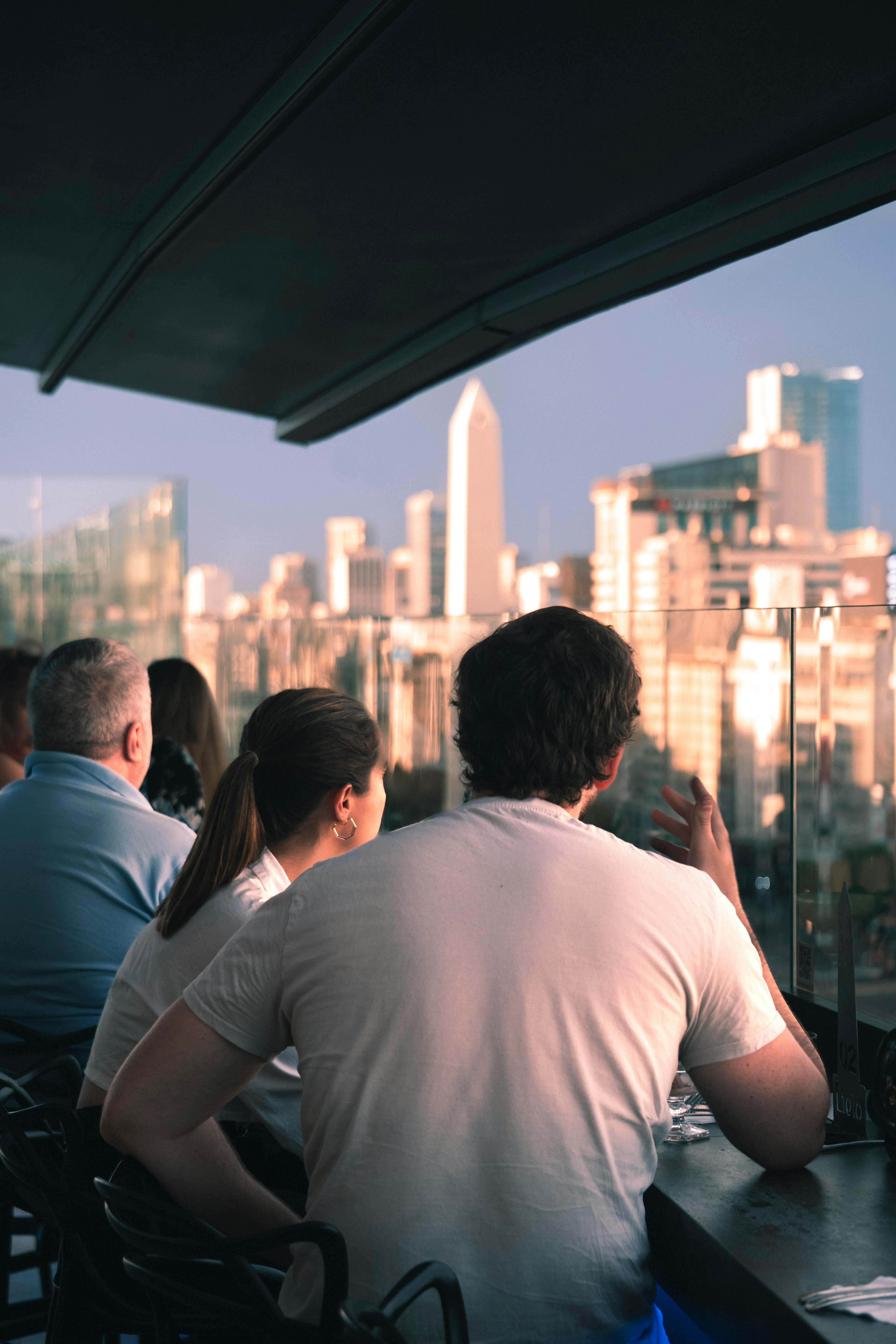
Modern nightlife is no longer limited to crowded streets, loud indoor clubs, or traditional entertainment venues. Across major cities, hidden rooftop escapes are reshaping the way people socialize after dark. These elevated spaces combine atmosphere, creativity, and exclusivity in ways that make evenings feel more memorable and personal. From intimate lounges overlooking city skylines to rooftop gardens filled with live music and ambient lighting, these destinations are changing urban nightlife culture.

One of the biggest reasons rooftop nightlife experiences continue to grow in popularity is their ability to create separation from the chaos below. Guests are often searching for places that feel relaxed yet exciting at the same time. Rooftops provide a sense of escape without requiring people to leave the city itself. The combination of open air environments and panoramic views creates an experience that feels refreshing compared to enclosed venues.

Rooftop Spaces Redefining Social Connections

Many rooftop venues are designed to encourage conversation and connection. Instead of overcrowded dance floors dominating the environment, modern rooftop locations often focus on comfortable seating arrangements, mood lighting, and carefully selected music playlists. These features help create an atmosphere where people can genuinely interact and enjoy longer evenings together.

In several hospitality discussions connected to business tips australia, experts have noted how rooftop concepts are attracting professionals, tourists, and younger audiences who value experience driven nightlife. Visitors increasingly seek environments that blend entertainment with relaxation instead of overwhelming sensory experiences.

The growing popularity of rooftop nightlife has also encouraged designers and venue owners to invest more attention into architecture and ambiance. Greenery walls, rooftop gardens, fire features, and minimalist décor have become common elements that enhance the overall appeal. These details transform rooftops into stylish destinations rather than simple elevated bars.

The Influence of Urban Design on Nightlife Trends

As cities become denser and more crowded, rooftop venues provide creative ways to maximize unused urban spaces. Buildings that once had empty rooftops are now being converted into vibrant nightlife locations that contribute to local tourism and entertainment economies. Urban planners and hospitality developers increasingly recognize rooftops as valuable lifestyle spaces.

According to trends discussed by businesscore.com.au, hospitality businesses are shifting toward experiential concepts that encourage visitors to spend more time at venues rather than simply making quick visits. Rooftop settings naturally support this trend because guests are drawn to the atmosphere, skyline views, and unique environment.

These spaces also create opportunities for themed experiences. Some rooftops focus on luxury dining while others specialize in acoustic performances, cultural events, or cocktail lounges. The flexibility of rooftop venues allows operators to continuously refresh their concepts and attract returning customers.

Why Rooftop Escapes Appeal to Modern Travelers

Travelers today often prioritize unique experiences over traditional sightseeing. Hidden rooftop venues provide visitors with opportunities to explore cities from entirely different perspectives. Watching sunset views from above busy streets or enjoying live entertainment under city lights creates memories that feel more personal and immersive.

Travel and lifestyle publications such as www.dgmnews.au have highlighted how rooftop nightlife has become closely linked to modern urban tourism. Many visitors specifically search for hidden rooftop locations because they offer a more authentic and visually appealing way to experience a city’s culture.

Social media has also accelerated the popularity of rooftop escapes. Stylish rooftop settings naturally attract photography enthusiasts and content creators who enjoy sharing scenic nightlife experiences online. This digital visibility further increases demand for unique rooftop destinations.

Rooftop Experiences Supporting Hospitality Growth

The rise of rooftop nightlife has created strong opportunities for hospitality businesses. Restaurants, hotels, and entertainment brands are increasingly integrating rooftop concepts into their expansion strategies. These elevated venues often command higher customer interest because they deliver exclusivity and atmosphere together.

Industry conversations around business growth australia frequently mention how experience based hospitality models are helping venues remain competitive in changing entertainment markets. Rooftop destinations provide businesses with opportunities to stand out while offering customers memorable social environments.

Many successful hospitality brands are now focusing on creating multi purpose rooftop spaces that can transition from daytime cafés to evening entertainment venues. This versatility improves operational efficiency while attracting broader audiences.

The Future of Rooftop Nightlife

The evolution of rooftop nightlife continues to shape modern entertainment culture. As people increasingly seek meaningful social experiences, rooftop escapes are likely to remain an important part of urban nightlife development. Their combination of atmosphere, creativity, and city views provides something that traditional nightlife venues often struggle to replicate.

Reports featured on topbusinessesaustralia.com.au suggest that rooftop entertainment concepts will continue expanding across urban centers as hospitality businesses search for innovative ways to attract customers. With changing lifestyle preferences and growing interest in experience focused entertainment, hidden rooftop escapes are transforming nightlife into something far more immersive and memorable than ever before.

Through Candlelit Spaces Travelers Discover The Emotional Side Of Nightlife

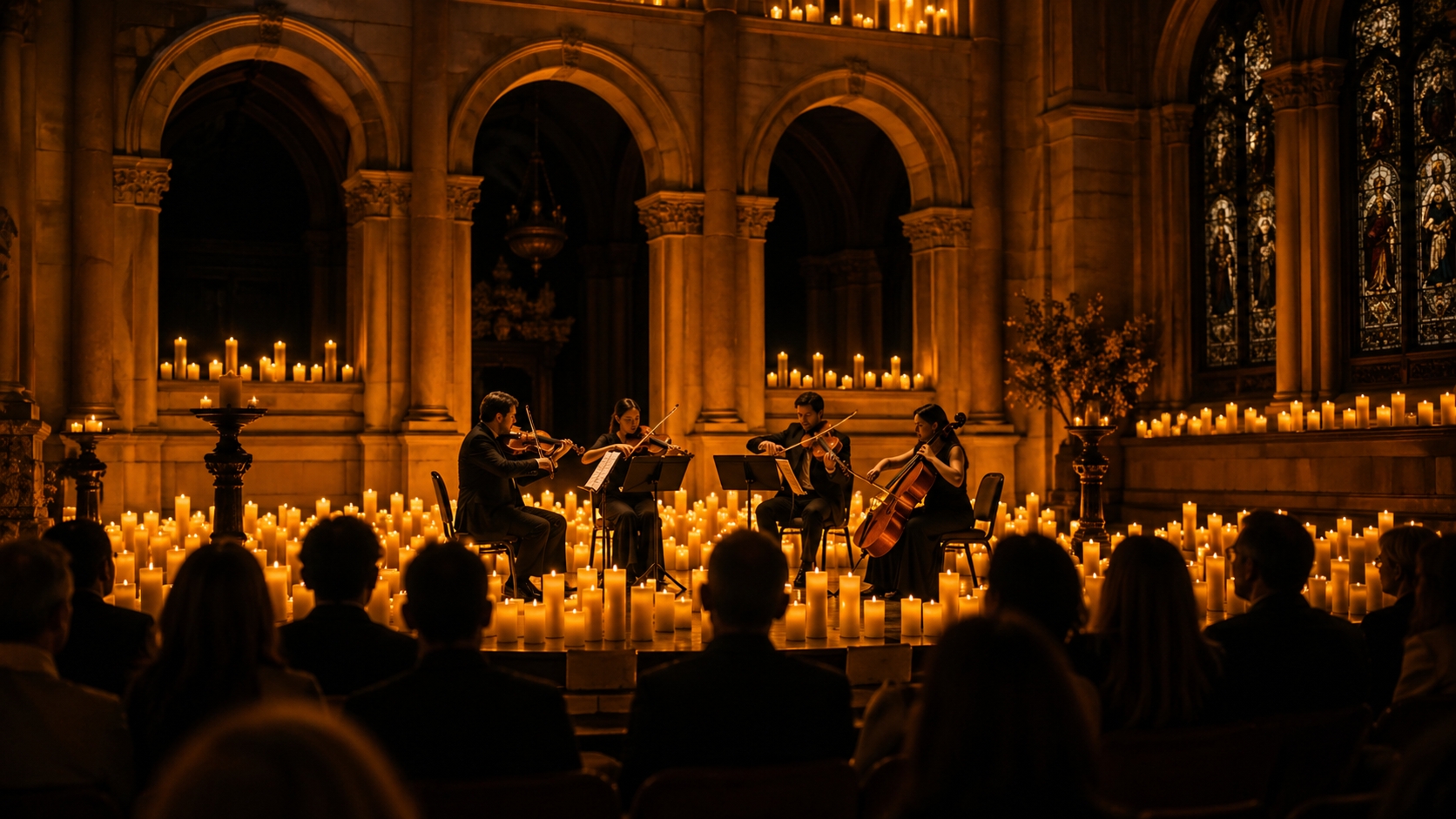
Travel is often associated with landmarks, museums, beaches, and scenic attractions, but there is another dimension to exploring a destination that many people overlook. Once the sun sets and streets begin glowing under warm lights, cities reveal a more emotional and intimate personality. Through candlelit restaurants, hidden lounges, quiet wine bars, and softly illuminated cafés, travelers often connect with destinations in ways daylight tourism cannot provide. Nightlife is no longer only about loud entertainment or crowded dance floors. For many modern explorers, it has become a way to understand the atmosphere, emotions, and human stories that define a place.

The Atmosphere Created By Candlelit Spaces

Candlelit venues naturally encourage slower conversations and deeper reflection. Whether located beside a narrow European alley, a rooftop overlooking an urban skyline, or a quiet seaside district, these spaces allow travelers to disconnect from busy schedules and experience the emotional rhythm of a city. Soft lighting changes how people communicate, observe, and even remember moments. Travelers often describe these experiences as more personal because they feel less rushed and more immersive.

Many destinations have recognized this growing interest in emotionally driven nightlife experiences. Boutique hotels, hidden cocktail bars, and intimate restaurants are designing spaces that focus on comfort and ambiance instead of overwhelming stimulation. This trend reflects a shift in how travelers define entertainment during their journeys.

Emotional Connections Through Local Conversations

One of the strongest aspects of nightlife travel is the opportunity for meaningful interaction. During the day, tourists often move quickly between attractions. At night, however, people become more open to storytelling and conversation. Travelers sitting beside locals in a softly lit venue may hear personal stories about the city, cultural traditions, or changing lifestyles.

In many urban destinations, candlelit social spaces create opportunities for visitors to better understand local identity. This growing interest in authentic cultural connection is often highlighted in platforms discussing Sydney community stories, where personal experiences and neighborhood culture become part of the travel narrative. Travelers increasingly value emotional memories over traditional sightseeing checklists.

Nightlife As A Reflection Of Cultural Identity

Every city expresses itself differently after dark. Some destinations embrace jazz and live acoustic performances, while others focus on artistic cafés, poetry gatherings, or rooftop dining experiences. The emotional side of nightlife reflects the values and creativity of local communities.

In older districts around the world, historic buildings transformed into intimate bars or dining venues create a powerful connection between the past and the present. Travelers are drawn to spaces where architecture, music, lighting, and conversation combine to create a memorable emotional atmosphere. Unlike daytime attractions that may feel commercialized, nighttime venues often feel more personal and genuine.

Modern travel writers and publications such as Melbourne journal frequently explore how nightlife culture shapes emotional tourism. Their discussions often focus on how hidden venues, artistic districts, and late evening experiences reveal the true personality of a destination.

Why Travelers Are Seeking Slower Evenings?

Fast paced tourism can leave people exhausted. Many travelers now prioritize emotional wellness during trips rather than trying to visit as many attractions as possible. Candlelit environments encourage slower travel habits that focus on presence and mindfulness.

Instead of spending nights in crowded entertainment districts, travelers are choosing intimate settings where they can relax, observe local life, and enjoy meaningful experiences. This approach creates stronger emotional memories because people remember how a place made them feel, not just what they saw.

The rise of travel communities and online discussions has also influenced these preferences. Articles published through platforms accepting guest post Australia submissions often highlight how emotional travel experiences are becoming more important than traditional luxury tourism. Travelers are increasingly drawn toward authenticity, atmosphere, and human connection.

The Role Of Music And Design In Emotional Nightlife

Music and interior design play major roles in shaping nighttime experiences. Soft jazz, acoustic performances, and carefully selected playlists influence emotional perception. Likewise, warm colors, candlelight reflections, and natural materials create a calming environment that encourages deeper engagement.

Designers understand that emotional nightlife is not built through excess but through thoughtful details. A simple wooden table beside a candle can feel more memorable than an extravagant venue filled with distractions. Travelers often associate these moments with comfort, romance, nostalgia, or inspiration.

Cities known for creative nightlife districts are increasingly being recognized among discussions about the best businesses in Australia 2026, especially when hospitality venues successfully combine emotional design with authentic local experiences. These businesses are not simply selling food or drinks. They are creating emotional environments people remember long after their trips end.

The Influence Of Urban Storytelling

Nightlife also changes how cities are perceived. During the day, urban environments may appear busy or commercial, but at night they become softer and more emotionally expressive. Reflections on rainy streets, conversations in quiet corners, and glowing windows all contribute to urban storytelling.

Travelers often discover the emotional side of cities when wandering through districts without strict plans. These unstructured experiences create opportunities for spontaneous discovery. A hidden rooftop lounge, a late night bookstore café, or a candlelit jazz venue may become the highlight of an entire journey.

Publications covering urban Aussie news have increasingly explored how modern nightlife is evolving toward experiences centered on emotional comfort and social connection rather than high energy entertainment alone. This reflects a broader global shift in travel behavior.

The Future Of Emotional Nightlife Tourism

As travel continues evolving, emotional experiences will likely become even more important. Travelers are seeking environments that help them feel connected, inspired, and present. Candlelit nightlife represents a balance between exploration and emotional reflection.

Destinations that embrace intimate hospitality, authentic storytelling, and thoughtful design will continue attracting modern travelers searching for deeper experiences. The future of nightlife tourism may not revolve around louder attractions or larger venues, but around spaces where people can slow down and emotionally connect with both the destination and themselves.

Through candlelit spaces, travelers discover that nightlife is not only about entertainment. It is about atmosphere, memory, emotion, and the quiet human moments that make travel truly unforgettable.

Destinations Come Alive In Entirely Different Ways After Dark

Travel experiences often focus on daytime attractions such as landmarks, museums, beaches, and guided tours. While these experiences are important, many destinations reveal an entirely different personality after sunset. Streets become more vibrant, local culture feels more authentic, and social spaces begin to reflect the true rhythm of a city.

Nighttime transforms familiar places into new experiences. The atmosphere changes, conversations become more relaxed, and destinations often feel more alive. Exploring cities after dark allows travelers to see beyond traditional tourism and discover a deeper layer of local identity.

The Transformation Of Atmosphere At Night

Cities behave differently once daylight fades. Busy business districts become social gathering spaces, quiet streets fill with music and conversation, and restaurants and bars create a more intimate atmosphere.

Lighting, sound, and movement all contribute to this transformation. Places that may appear ordinary during the day often feel exciting and energetic at night. This shift changes how travelers experience destinations emotionally, making nighttime exploration more memorable.

Exploring Urban Culture

Travel and nightlife are closely connected to local economies and urban culture. Discussions around https://australiabusinessinsights.com.au often highlight how evening entertainment, hospitality, and tourism contribute significantly to city identity and growth.

Nightlife districts support restaurants, cafes, music venues, and local businesses that define a destination’s social atmosphere. These spaces create opportunities for both cultural exchange and economic activity, making evenings an important part of the travel experience.

Social Connections And Uploadarticle Contact

Meaningful travel experiences often develop through human interaction. Platforms associated with uploadarticle contact reflect how communication and storytelling shape the way people share experiences from different destinations.

At night, conversations tend to feel more spontaneous and relaxed. Travelers interact more naturally with locals and fellow visitors in bars, cafes, and social spaces. These interactions create lasting memories because they are built around shared experiences rather than scheduled attractions.

Nightlife And Australia Business

The hospitality and entertainment sectors connected to Australia business play a major role in shaping tourism experiences after dark. Restaurants, rooftop venues, live music spaces, and cultural events contribute to the unique identity of each city.

Nighttime economies also influence how destinations are perceived globally. Cities known for strong nightlife often attract travelers seeking experiences beyond traditional sightseeing. This demonstrates how after dark culture has become an essential part of modern tourism.

Digital Influence Through Kakupress.com

Travel trends and nightlife experiences are increasingly shaped by digital media platforms such as kakupress.com. Travelers now discover bars, events, and local entertainment through online recommendations and social content.

Technology has expanded awareness of hidden destinations and local nightlife culture. Instead of relying only on tourist guides, visitors can now explore places recommended by local communities and travelers with firsthand experience. This creates more authentic and personalized travel experiences.

City Identity In Adelaide Business News

Reports connected to Adelaide business news often reflect how urban development and hospitality industries contribute to the city’s evening culture. Restaurants, festivals, and nightlife venues help create a stronger sense of identity and attract both tourists and local visitors.

Cities that invest in cultural events and social spaces become more engaging after dark. Travelers remember destinations not only for landmarks but also for atmosphere, energy, and emotional experience during nighttime exploration.

Why Nighttime Feels More Authentic?

Many travelers feel that cities become more authentic after dark because social barriers begin to fade. People relax, routines slow down, and communities gather more naturally in public spaces.

This atmosphere allows travelers to observe local habits, music, food culture, and communication styles more closely. Instead of experiencing carefully planned tourist environments, they witness everyday social life unfolding in real time.

The Emotional Impact Of Night Travel

Nighttime exploration often creates stronger emotional memories because sensory experiences become more intense. City lights, music, conversations, and unique environments combine to create a different emotional atmosphere than daytime tourism.

These experiences feel immersive because they involve active participation rather than passive observation. Travelers become part of the environment instead of simply moving through it. This emotional connection is one reason nightlife experiences are remembered so vividly.

Safety And Responsible Exploration

While exploring destinations after dark can be exciting, thoughtful planning remains important. Understanding local customs, transportation options, and safe areas helps travelers enjoy nightlife experiences responsibly.

Responsible exploration also includes respecting local communities and cultures. Travelers who engage thoughtfully with destinations contribute positively to the atmosphere and create more meaningful interactions.

The Balance Between Activity And Observation

One of the most rewarding aspects of nighttime travel is the balance between energy and reflection. While nightlife can be vibrant and exciting, quieter evening moments also reveal unique perspectives.

Walking through illuminated streets, sitting in late night cafes, or listening to live music can create peaceful experiences that daytime activity rarely offers. These quieter moments often become some of the most memorable parts of a journey.

Conclusion

Destinations come alive in entirely different ways after dark because nighttime reveals aspects of culture, atmosphere, and human connection that are often hidden during the day. Beyond landmarks and sightseeing, cities develop personality through nightlife, conversation, music, and shared social experiences. Modern travelers increasingly seek these deeper connections because they create memories that feel more personal and authentic. Whether through lively entertainment districts or quiet late night streets, exploring destinations after sunset transforms travel into something far more immersive and emotionally meaningful.